
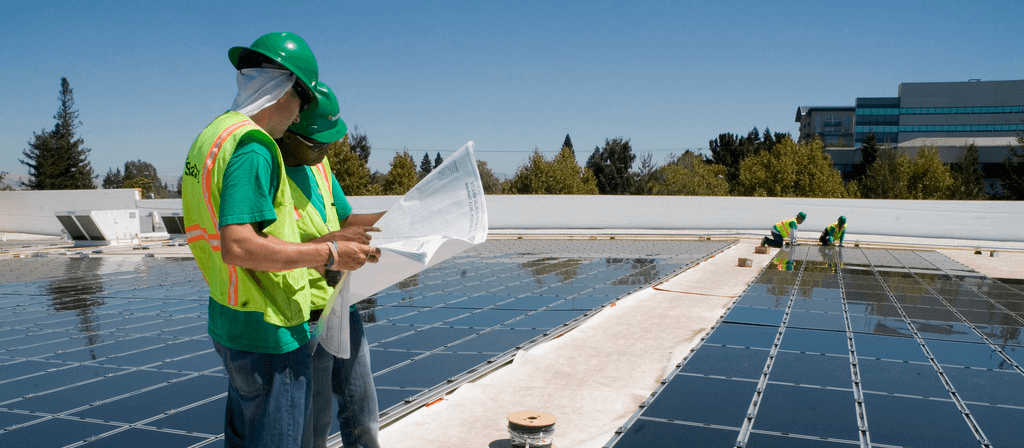
The draft of amendments to AS/NZS 5033:2014 Installation and safety requirements for photovoltaic (PV) arrays was released for public comment in early February 2018. The comments period will close on 15th March 2018. The draft amendment 1:2018 and draft amendment 2:2018 are available for download free of charge from SAI Global. Standards updates and amendments […]
Category: Regulations
The Status of STCs: Where do we stand now?
Small-scale technology certificates (STCs) are the product of the Federal Government’s support scheme for small-scale renewable energy (appropriately named the Small-scale Renewable Energy Scheme, or SRES), and represent the main financial incentive available for residential and small commercial solar PV installations up to 100kW. Prior to the official publication of the proposed and actual amendments, […]
Central Protection: Why is it needed and what does it do?
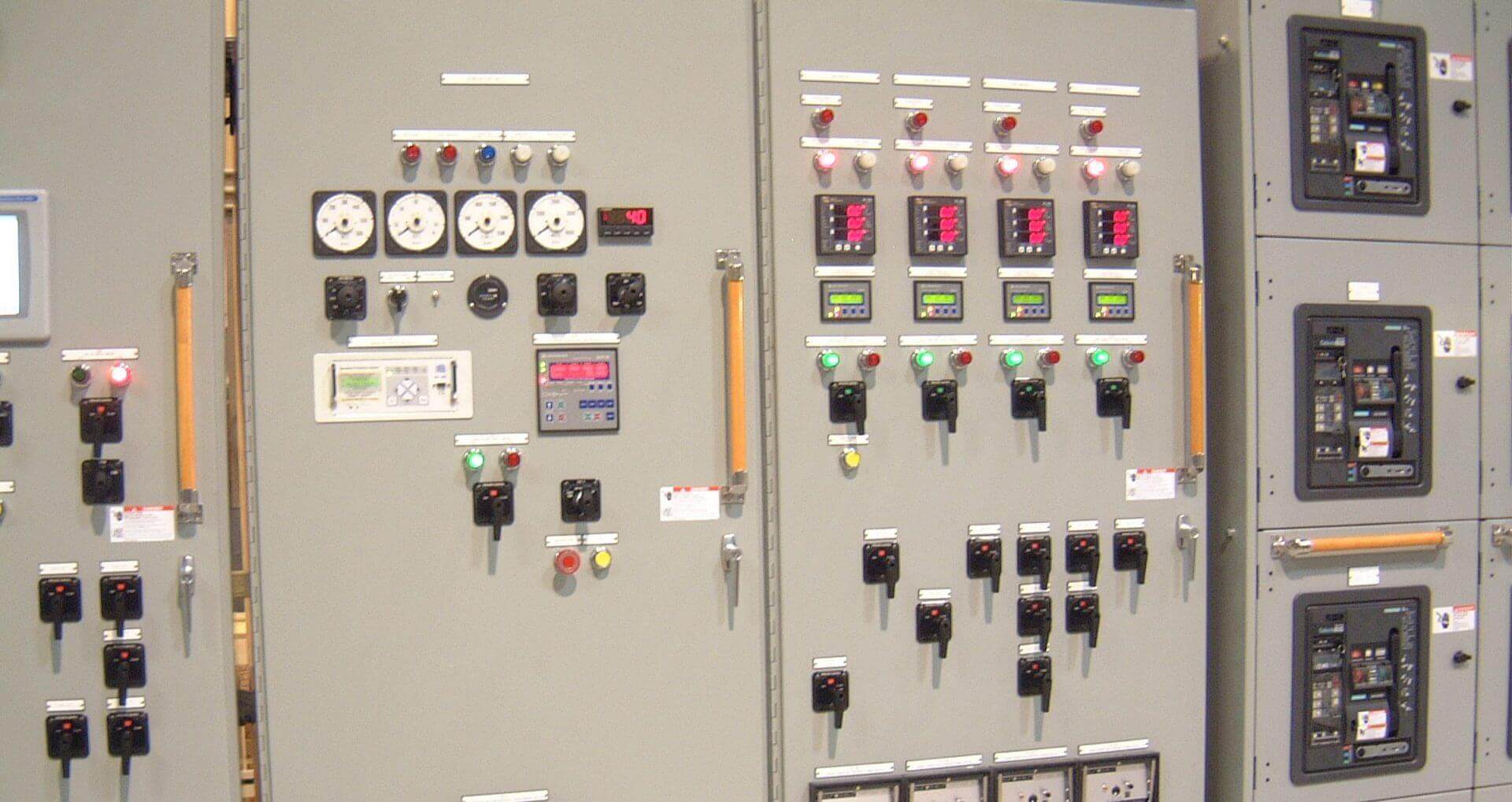
Due to the high level of distributed, grid-connected PV systems in Australia, there is concern over grid stability and safety risk posed by inverter generation systems. The current inverter connection standard, AS4777.1:2016, which came into effect in April this year, reflects these sentiments by mandating that commercial PV systems use central protection, more popularly referred […]
Moulded Case Circuit Breakers Explained
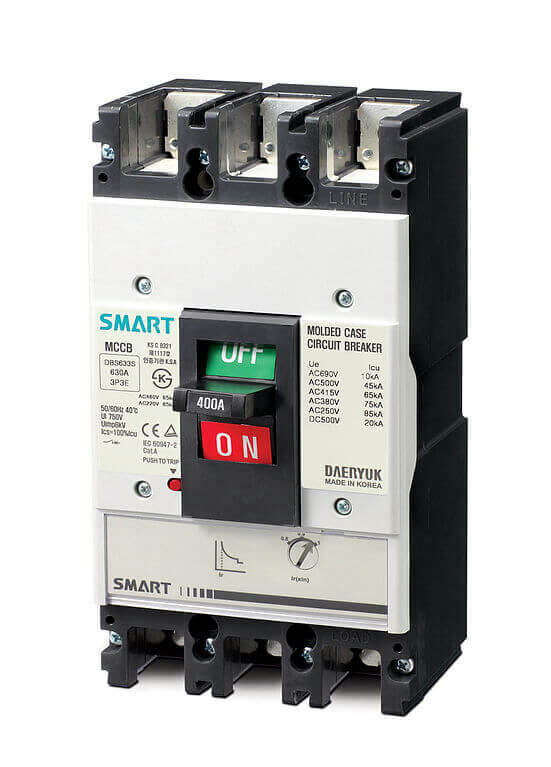
As installed system capacity continues to increase in the Australian PV market, it is valuable for system designers and installers to understand the mechanisms behind moulded case circuit breakers, and the meaning behind their ratings. A moulded case circuit breaker (MCCB) is a type of electrical protection device that is used to protect the electrical […]
The Pacific Perspective – The Energy Tri-lemma, Battery Storage in American Samoa and New Zealand Case Studies.
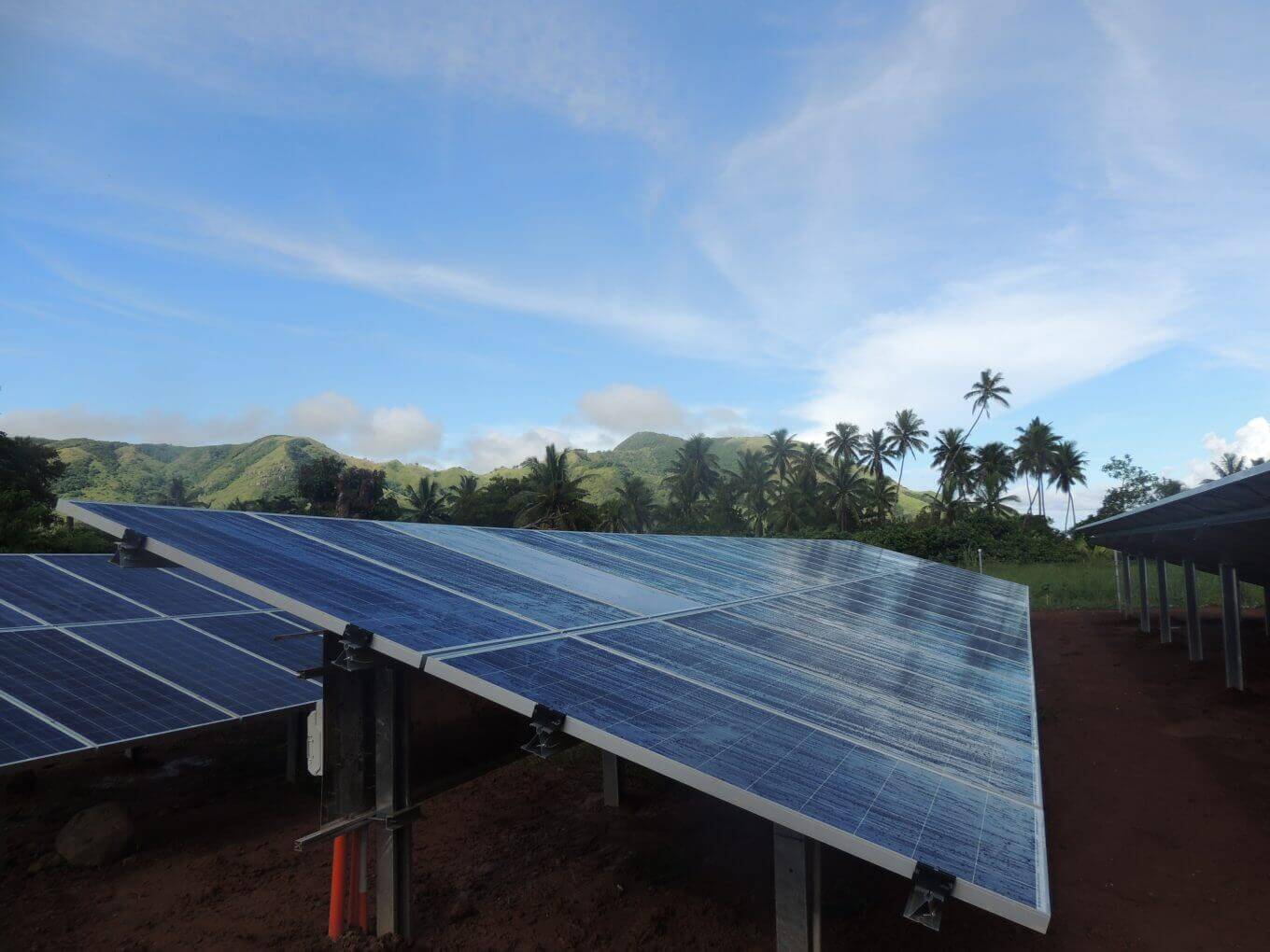
Last week Samoa held the Pacific Power Associations (PPA) 26th Annual conference in Samoa. As an allied member of the PPA and a Pacific training organisation, GSES attended the week-long conference. The Island Nations in the Pacific rely predominantly on diesel generators in large or micro-grid configurations for power supply. These Nations have turned to […]
Smart Meters and Real Time Pricing
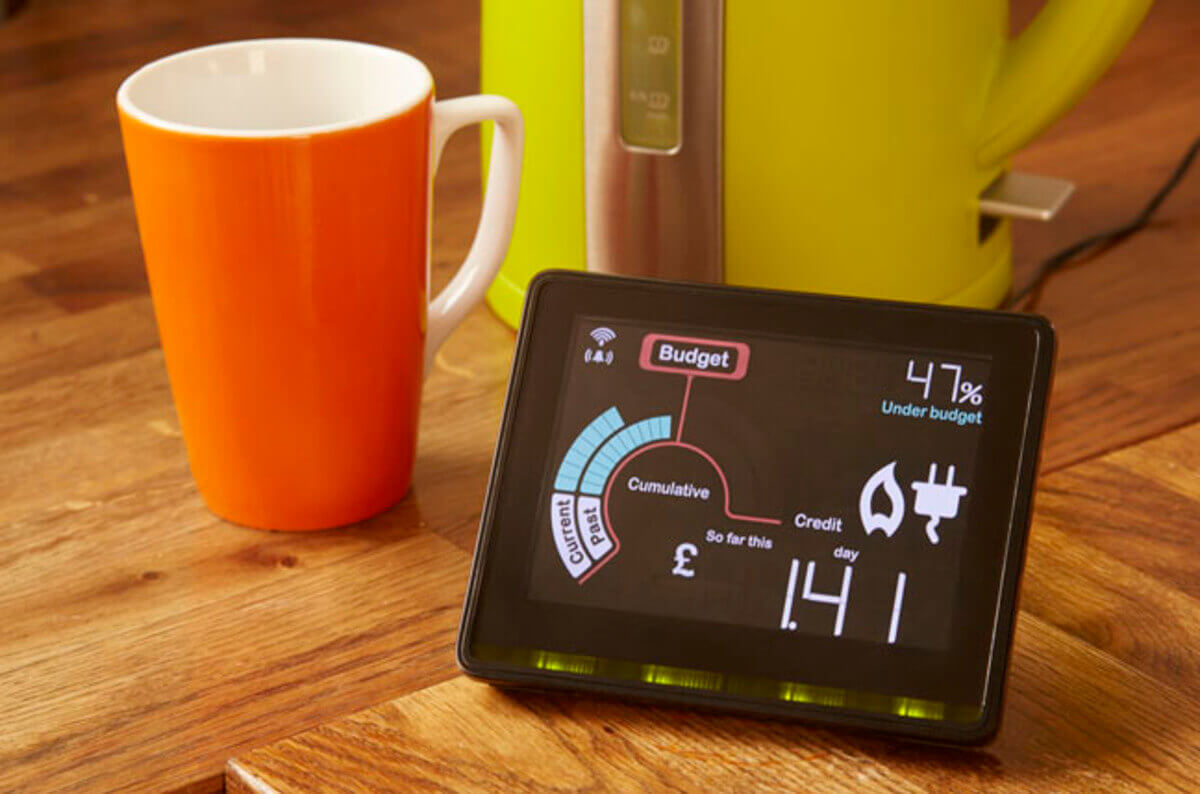
Time of Use (TOU) pricing has widely been adopted for electricity billing. With TOU metering the electricity rates are divided into three different time periods – Peak, Shoulder and Off Peak which enables the retailer to charge different prices for the electricity used at different times. A new method of electricity pricing has been introduced, […]
AS/NZS 4777.1:2016 – Key updates to the standard and what they mean for installers
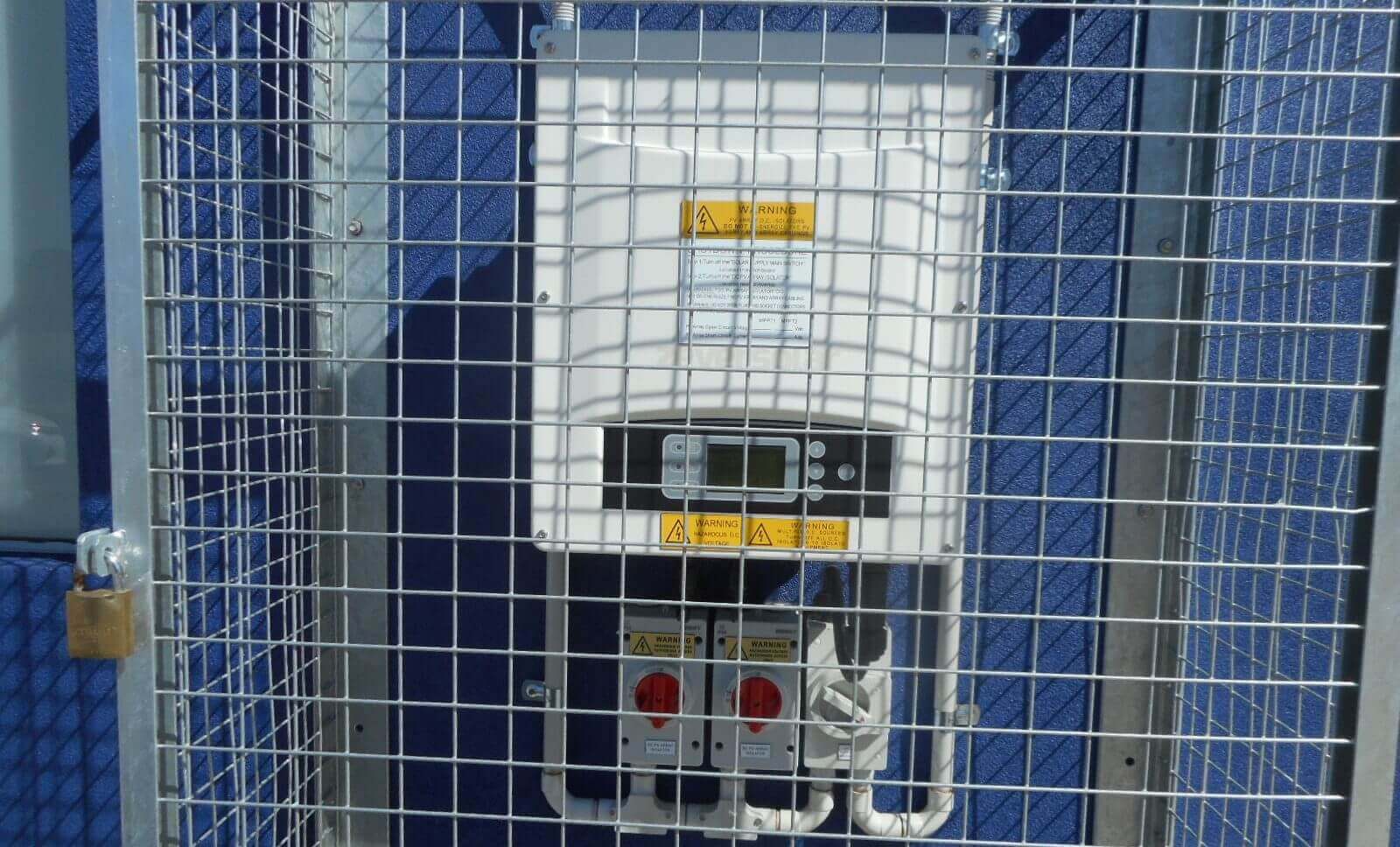
The latest version of the Australian and New Zealand Standard: Grid connection of energy system via inverters – Installation requirements (AS/NZS 4777.1:2016) was released on 30 September 2016. There is a transition period of 6 months, therefore this standard will come into effect at the end of this month (30th March 2017). AS /NZS 4777.1:2016 […]
Industry wide Improvement in Ingress Protection Safety Thanks to CEC Guidelines
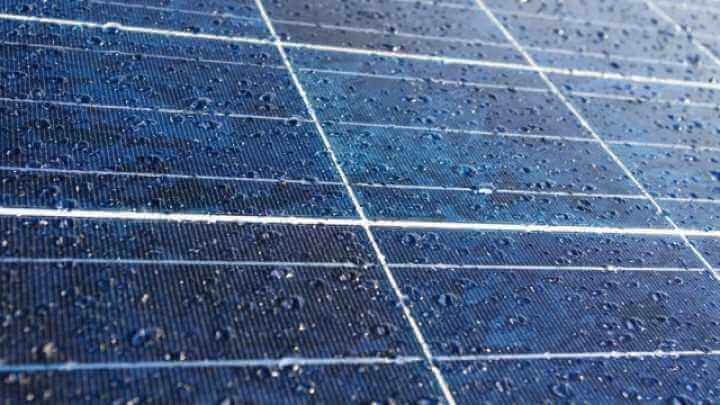
Under the Renewable Energy Target (RET) requirements, solar photovoltaic (PV) power systems must be installed to relevant Australian standards and Clean Energy Council (CEC) guidelines in order to receive Small-scale Technology Certificates (STCs). To monitor this, the Clean Energy Regulator’s RET inspection program has been running since 2010 and the CEC review the outcomes of […]
The Duck Curve – the duck hunting season we want to have
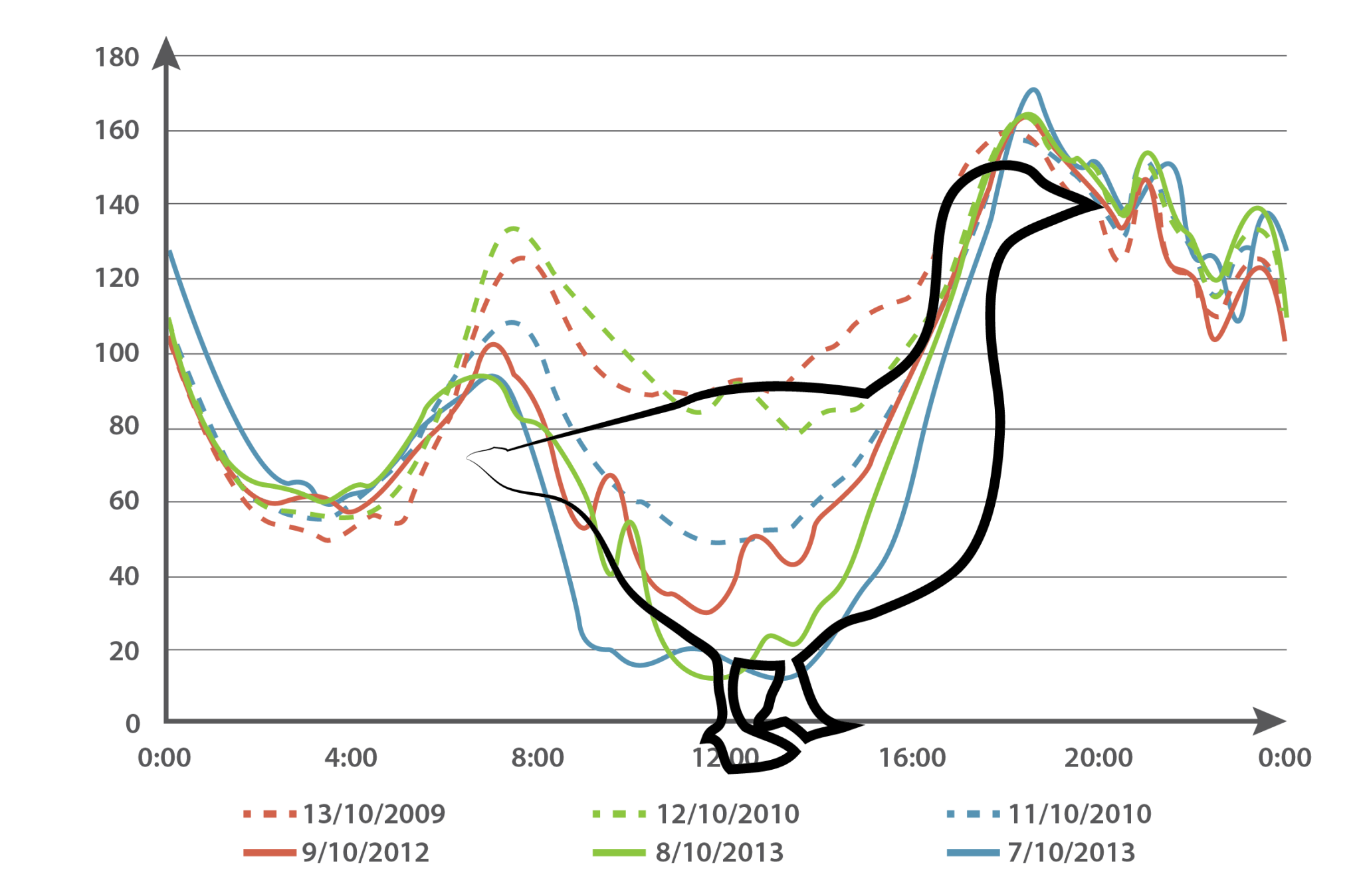
The power blackout in South Australia in September 2016 produced numerous ‘experts’ to analyse the causes of this event. The Australian press, politicians, shock-jocks and the public all had their particular slant to apply when assessing why this catastrophic failure occurred. GSES thought it opportune to provide some contextualised background to how distributed renewable generation, […]
Connection of Inverter Energy Systems to the Grid: New requirements surround residual current devices
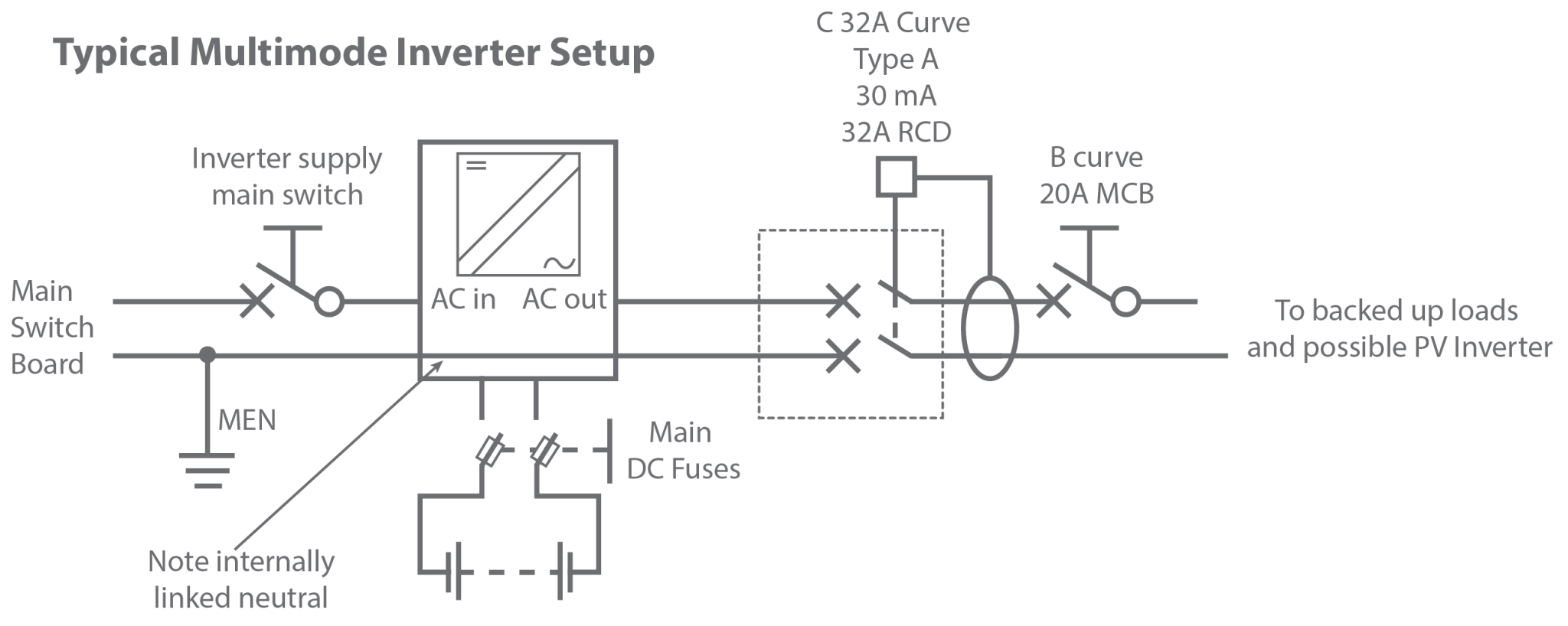
The industry has seen rapid uptake of solar PV and energy storage systems connected to multiple mode, or ‘hybrid’, inverters and battery systems over recent months. This has prompted many questions from installers and designers regarding the connection of inverter energy systems to existing electrical installations. While many common questions regarding connecting IES systems can […]