
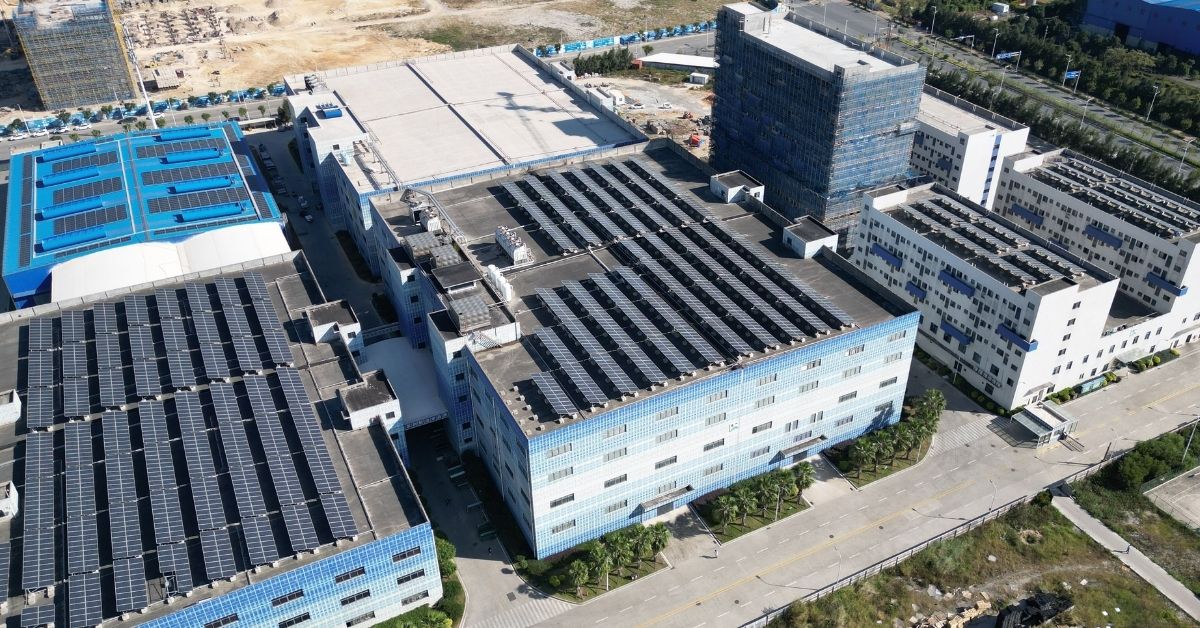
The Australian Government has recently announced an expansion of solar PV eligibility under the Small-scale Renewable Energy Scheme (SRES). From 1 October 2026, subject to regulations being in place, solar PV systems between 100 kW and 1 MW of total onsite capacity will be able to create Small-scale Technology Certificates (STCs). Currently, anything over 100 […]
Category: Regulations
Voltage Drop Cable Sizing Solar PV & Battery Systems
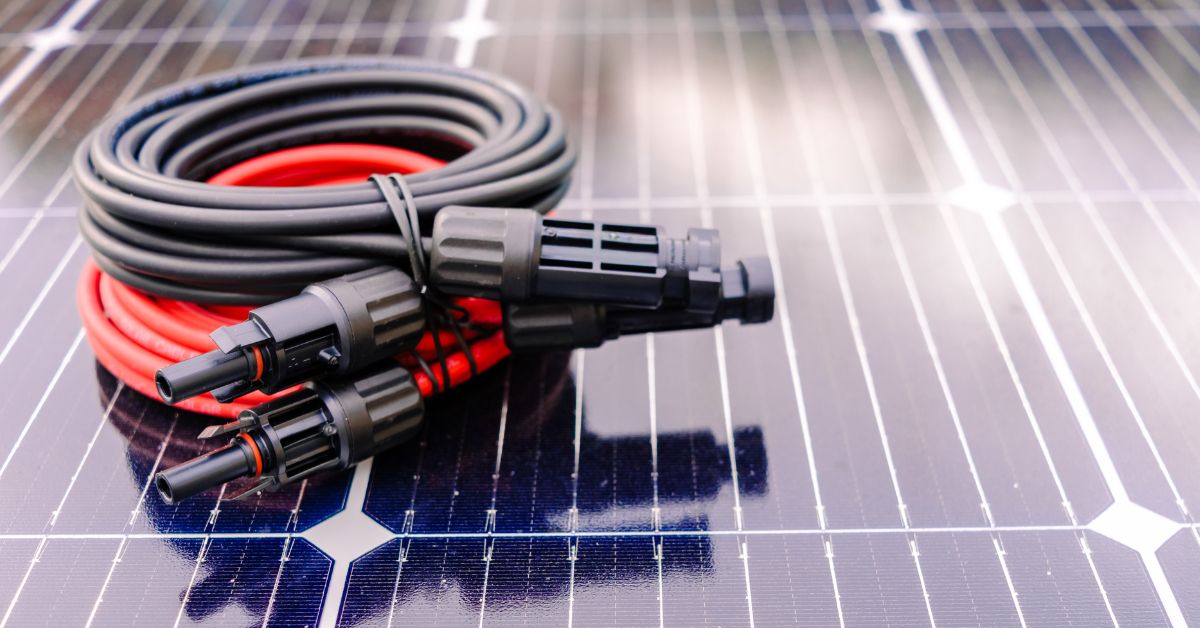
How voltage drop cable sizing works for solar and battery systems Voltage drop cable sizing for solar PV and battery systems is one of the most consequential parts of system design yet it’s also one of the most frequently misunderstood. If a cable is inappropriately sized, best case scenario it is an overpriced commodity. However, […]
What the CER’s Latest STC Update Means for Solar Battery Installers
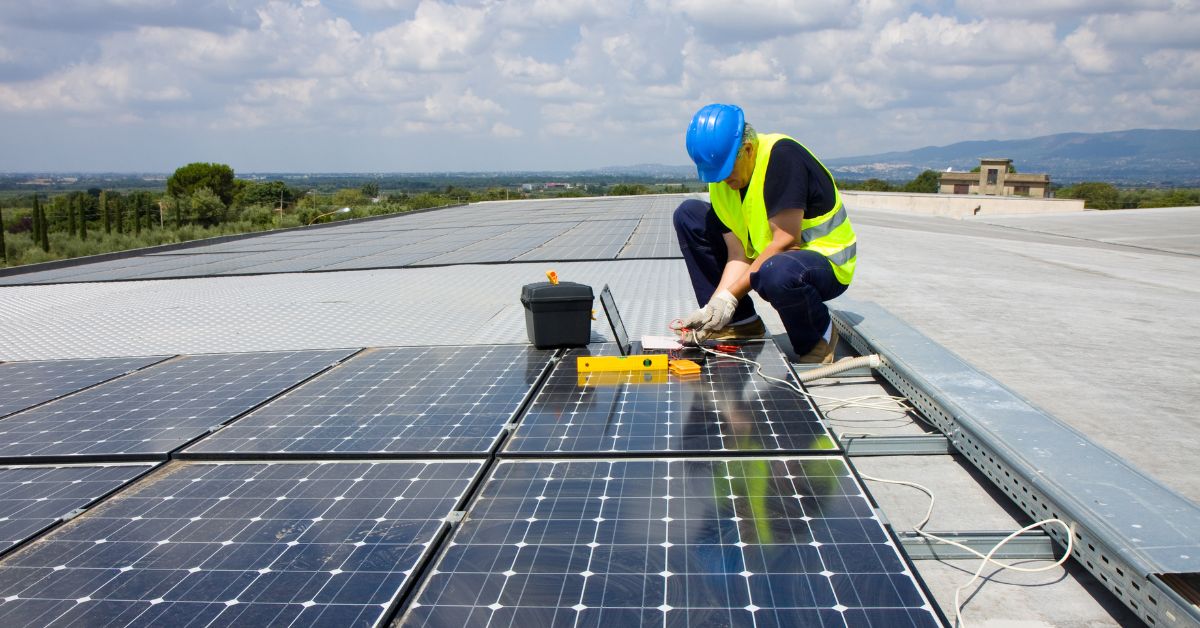
The Clean Energy Regulator (CER) has released an update on Small-scale Technology Certificate (STC) applications under the Small-scale Renewable Energy Scheme (SRES), and it contains some important compliance reminders for solar battery installers and inspectors operating in Australia. What the Update Covers The CER’s latest solar battery inspection results point to recurring issues in two […]
AS/NZS 3008.1.1:2025 Updates for Solar Cable Design
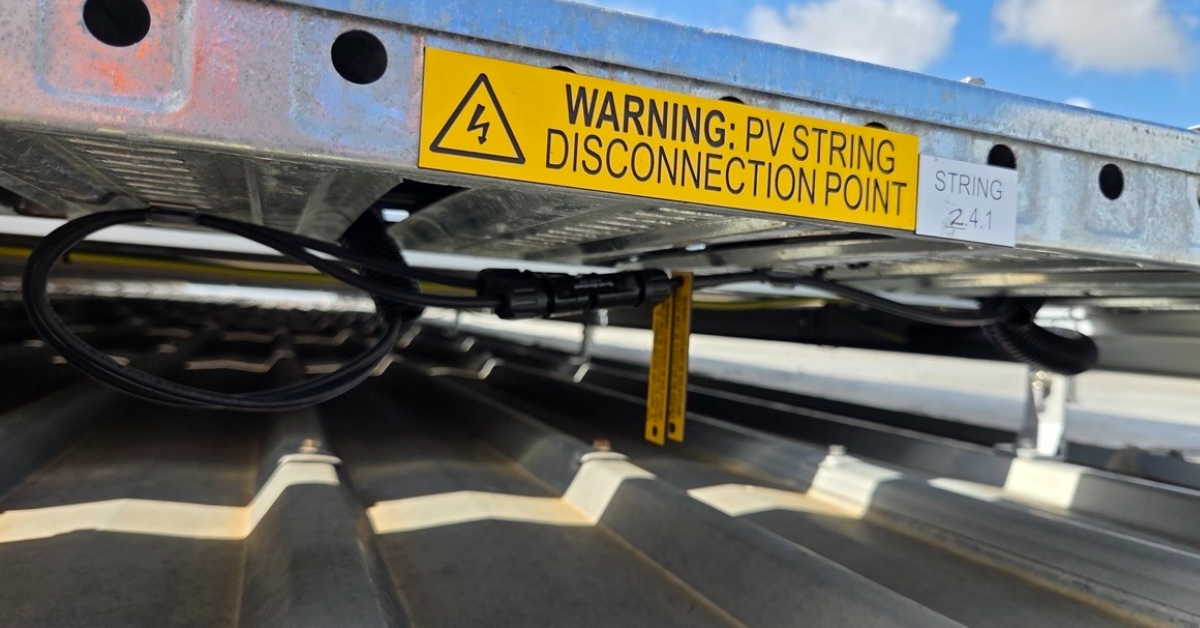
We published a working example on cable sizing correction factors here. Technical Update for Solar Designers and Installers The selection and sizing of cables are fundamental to the safety and performance of any electrical installation. In the solar industry, where solar cable sizing across Australian installations must account for high currents and harsh environmental conditions, […]
Battery Arc Flash Hazard Signage – Is it Required?
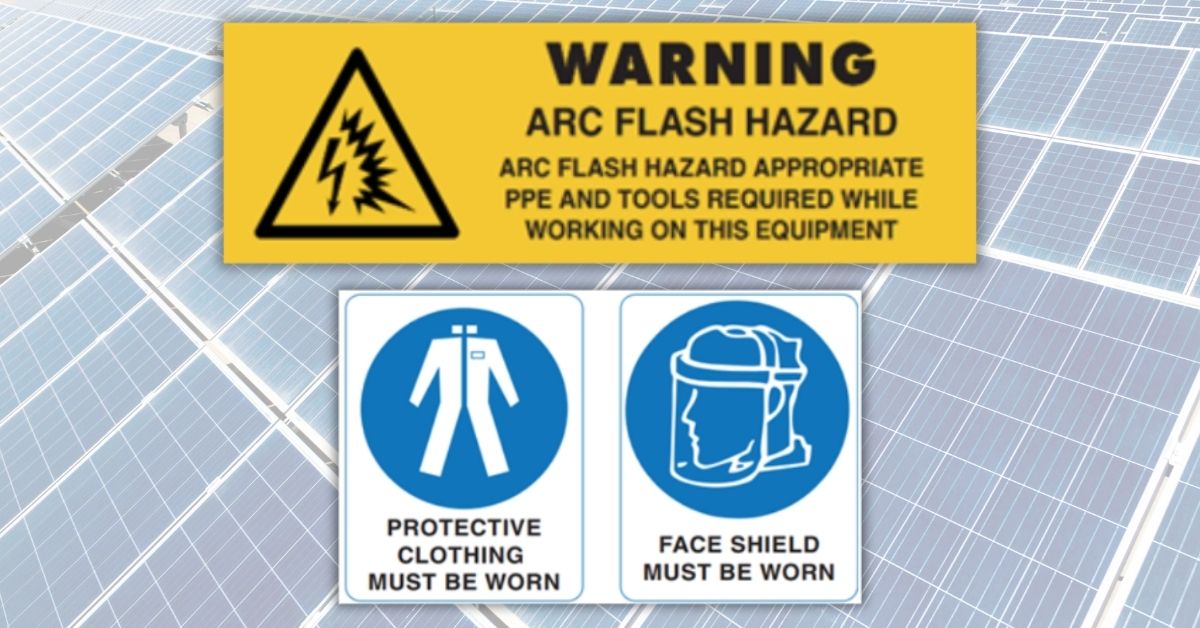
In short, if you are able to apply for STC’s with your battery installation and that battery has in-built overcurrent protection, then battery arc flash hazard signage is not required (at the time of writing this article). If you want to know why, feel free to continue reading. According to Table of 3.1 in AS/NZS5139:2019, […]
TS 5398: Key Updates For Modular Battery Compliance in Australia

For a full overview of the standard update, read our dedicated article here. The SA TS 5398:2025 key updates for modular battery compliance build on concepts introduced under the Battery Best Practice Guide (BPG), but it introduces more structured requirements that directly affect how battery equipment compliance is assessed, particularly for modular and stackable battery […]
TS 5398 Overview: Australia’s New Battery Safety Framework
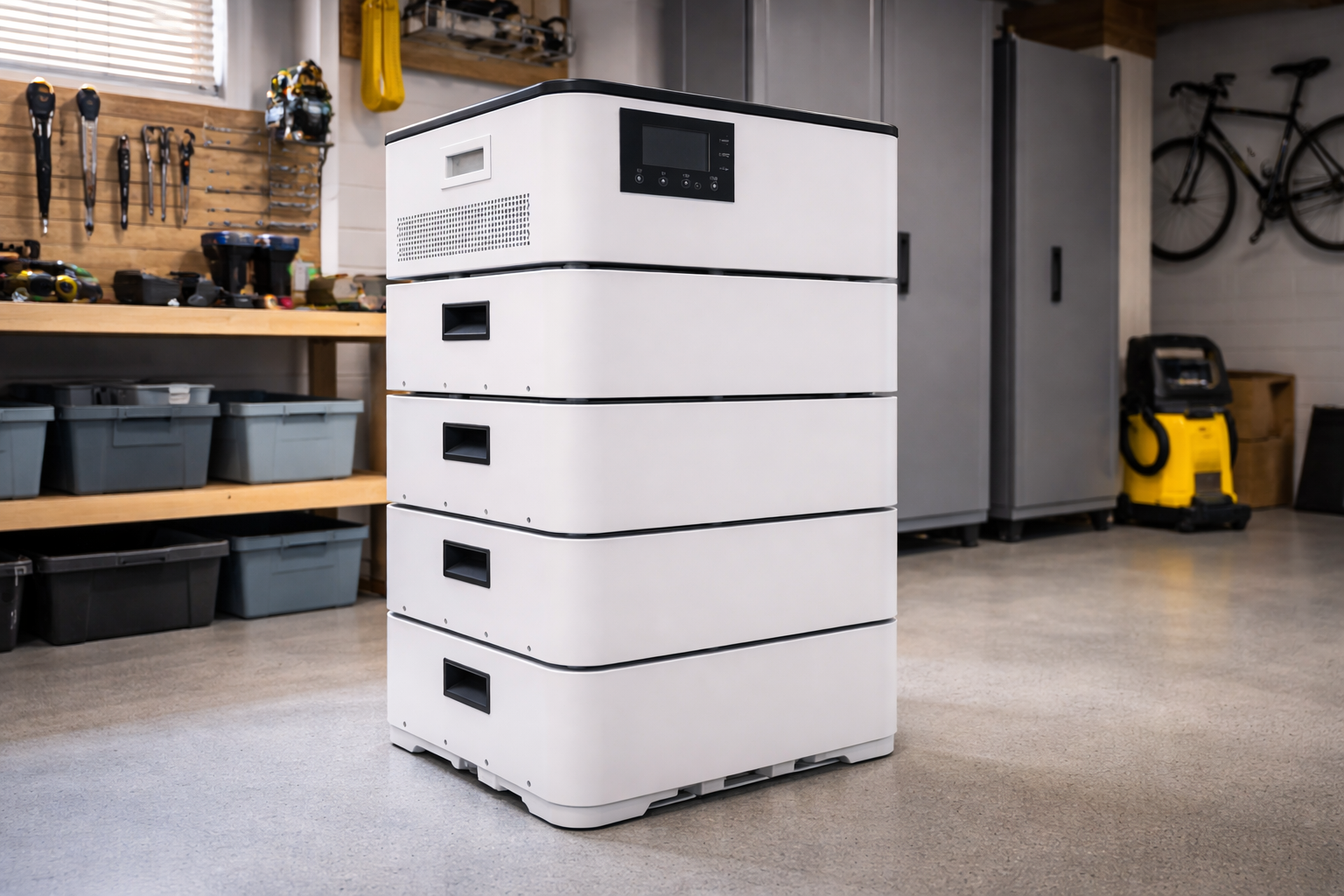
SA TS 5398:2025 overview establishes a new technical framework for battery equipment safety in Australia. As part of this shift, TS 5398 battery equipment safety Australia now plays a central role in shaping compliance pathways for battery OEMs. Why TS 5398 Matters Battery energy storage systems are rapidly becoming a more common feature of Australian […]
NSW Peak Demand Reduction Scheme: Essential Guide for Battery Installers
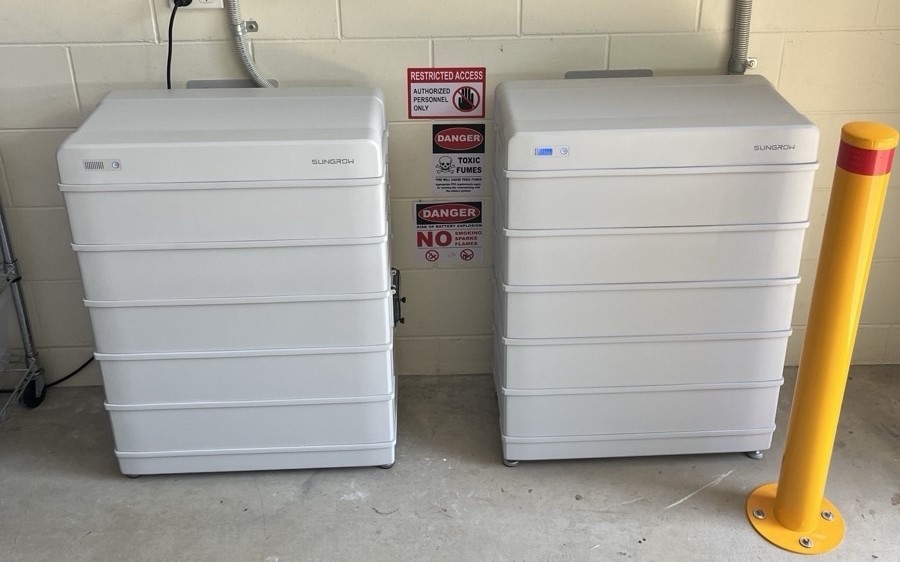
The New South Wales (NSW) Department of Climate Change, Energy Efficiency and Water (DCCEEW) [pronounced D’Queue by department personnel] introduced the Peak Demand Reduction Scheme (PDRS) in 2022. This scheme, which is administered by the NSW Independent Pricing and Regulatory Tribunal (IPART), uses a market-based mechanism to incentivise the installation and usage of energy efficiency […]
Understanding BESS Earthing Requirements in Electrical Installations According to Australian Standards
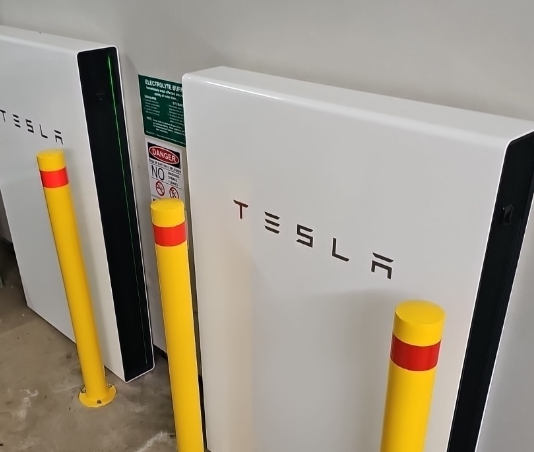
Earthing is a critical aspect of electrical safety in installations, ensuring that any exposed conductive parts are properly grounded to prevent electrical shocks or fire hazards. However, there is often confusion regarding the correct application of earthing requirements, especially when earth terminals are found unused in some installations. This document aims to clarify the circumstances […]
Habitable Rooms and Restricted Locations for Battery Installation
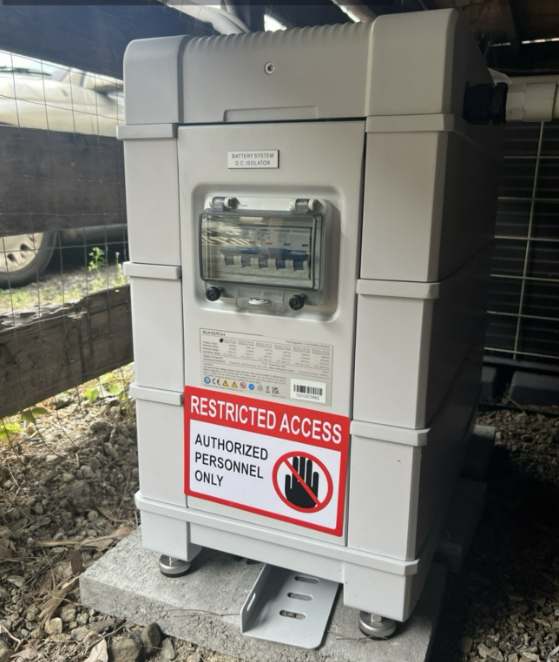
With the introduction of new battery rebate programs in Queensland and the ACT this year, and a proposed rebate in NSW expected in November, the safe installation of batteries has become an increasingly important topic. A common concern among installers is determining suitable battery installation locations, particularly regarding what constitutes a habitable room and a […]