
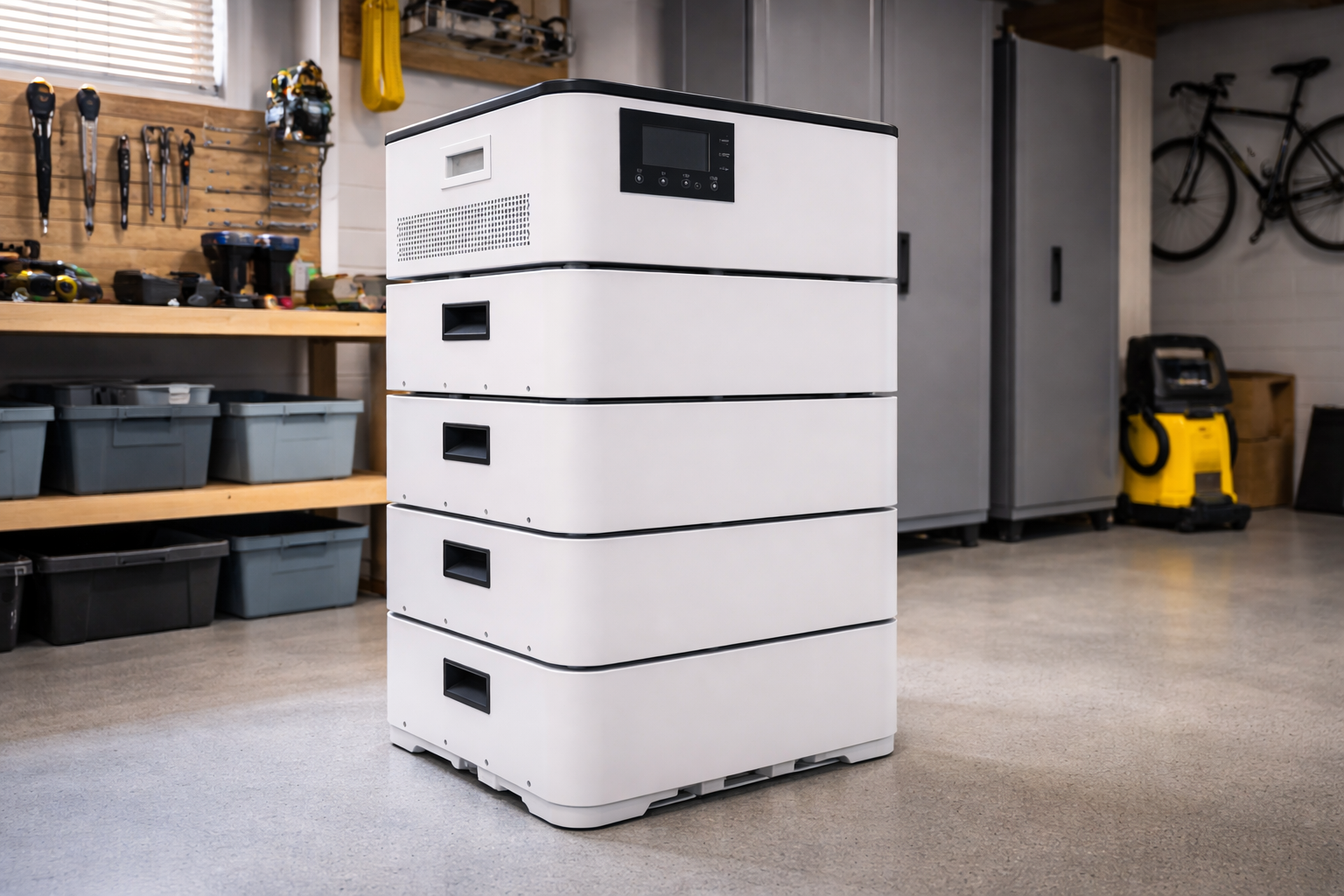
SA TS 5398:2025 overview establishes a new technical framework for battery equipment safety in Australia. As part of this shift, TS 5398 battery equipment safety Australia now plays a central role in shaping compliance pathways for battery OEMs.
Why TS 5398 Matters
Battery energy storage systems are rapidly becoming a more common feature of Australian homes and businesses. Programs such as the Cheaper Home Battery Program have driven a significant increase in battery installations across the country. This uptake has accelerated sharply and is widely expected to continue growing.
As this growth has occurred, so too has the diversity of battery products entering the market, particularly modular and stackable battery systems that are assembled or configured on site. These systems offer scalability, but also introduce additional safety considerations that earlier safety standards did not always address clearly. This is where TS 5398 battery safety provides greater clarity and structure.
Current Landscape
Since 2018, battery equipment safety in Australia has been supported in part by the Battery Best Practice Guide: Battery Storage Equipment – Electrical Safety Requirements (BPG). The BPG played an important role in guiding lithium-ion battery systems and was widely used as a safety outcome reference. It was also adopted as a key input for Clean Energy Council (CEC) battery product listings, meaning original equipment manufacturers (OEMs) were expected to demonstrate alignment with its requirements in order to access the Australian market.
However, the BPG also had recognised limitations. Its scope was limited to lithium-ion battery technologies and was structured as a guidance document rather than a fully standardised set of requirements. It also allowed more than one acceptable approach to achieving safety outcomes, which in practice resulted in variation in how requirements were interpreted and applied as battery systems increased in size and modularity.
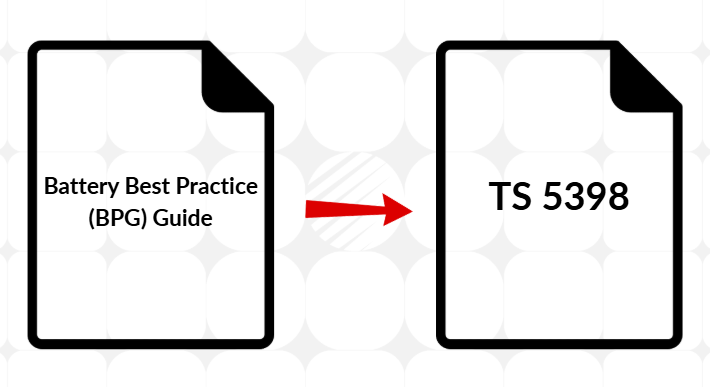
SA TS 5398:2025 represents the next step in addressing these challenges. Published as a Technical Specification, TS 5398 formalises battery equipment safety requirements within the Standards Australia framework. While it is not yet an Australian Standard, it clearly signals a move toward a more structured and unified approach to battery safety.
Rather than serving as another layer of guidance, TS 5398 aims to establish one coherent battery safety framework, bringing together requirements for both lithium-ion and lead-acid battery systems and setting clearer expectations for how battery equipment is designed, assessed, and supplied to the market.
TS 5398 Scope
TS 5398 applies to electrical energy storage (EES) equipment, addressing safety risks that arise from the battery equipment itself rather than from how it is installed or connected on site. Its scope is deliberately framed to complement existing electrical installation standards.
Under TS 5398, the Technical Specification applies to electrical energy storage equipment that:
- Has a rated energy capacity from 1 kWh up to 200 kWh, determined at the C5 rate;
- Has a rated input or output power up to 100 kW;
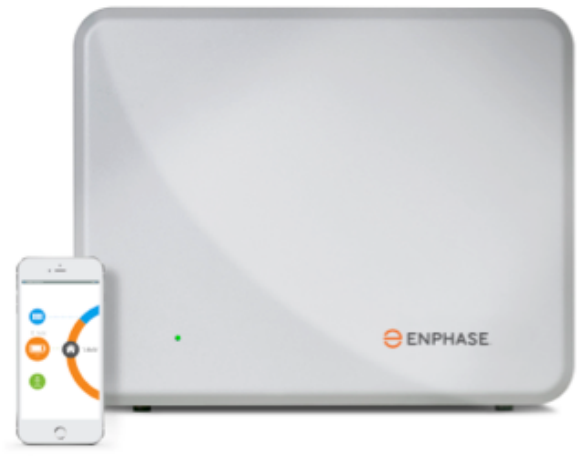
- Includes battery systems (BS) and integrated battery energy storage systems, including systems supplied with associated power conversion equipment;
- Includes modular or stackable battery assemblies, where compliance is demonstrated in accordance with the detailed requirements of Appendix A;
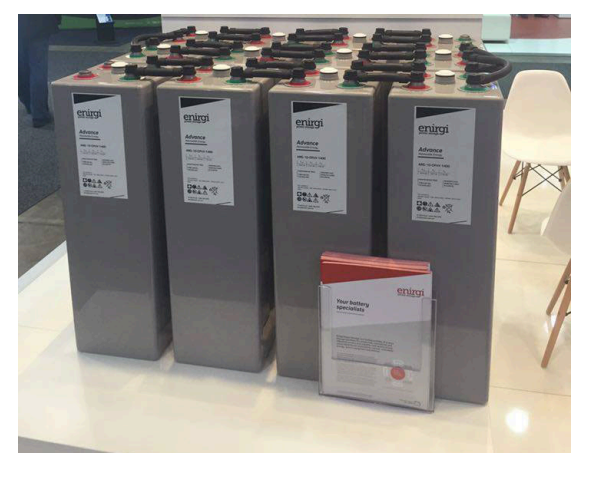
- Covers both lithium-ion and lead-acid battery technologies.
However, it does not define how batteries are installed on site, how they are wired into an electrical installation, or where they may be located. Those matters remain governed by installation and wiring standards such as AS/NZS 3000 and AS/NZS 5139.
TS 5398 is focused on ensuring that battery equipment, as supplied to the market, has been designed and assessed to meet defined safety outcomes before it is installed by an electrician or used by a consumer.
What Has Changed Under TS 5398
For a detailed breakdown of the specific technical changes, refer to our dedicated article here.
While TS 5398 builds on principles previously outlined in the Battery Best Practice Guide (BPG), it introduces clearer and more structured requirements that materially change how battery equipment compliance is assessed. One of the most significant developments is the formal treatment of modular and stackable battery systems through Appendix A, particularly where systems are assembled from multiple modules connected in series or parallel. These clarifications reduce ambiguity and set more consistent expectations for how battery equipment is designed, assessed, and supplied to the Australian market.
A key focus of Appendix A is how safety requirements vary depending on module connection methods, including the distinction between Type A (non-accessible, module-to-module) and Type B (externally accessible, cable or busbar) connectors. TS 5398 makes it clear that all connectors must meet minimum protection requirements and clarifies how connector type influences isolation, overcurrent protection, and the ability to safely de-energise battery modules during varying conditions. In particular, parallel battery configurations are subject to stronger requirements due to their higher potential fault current contribution.
Beyond modular system design, TS 5398 also expands its scope to include lead-acid battery systems, updates terminology in line with current Standards Australia guidance, and introduces clearer nameplate and marking requirements for battery equipment and individual modules. Together, these changes reflect a shift toward a more consistent and nationally governed battery safety framework.
What Happens Next for the Battery Industry
TS 5398 was published in October 2025 as a Technical Specification and is not yet mandatory unless referenced by another standard or regulator. In the short term, the Battery Best Practice Guide remains relevant. However, the long-term direction is intended for TS 5398 to transition into a full Australian Standard and is expected to replace the BPG entirely.
For manufacturers, importers, and certification bodies, this means TS 5398 should no longer be treated as something to monitor passively. Battery products that previously demonstrated compliance under the BPG may not automatically meet TS 5398 requirements and could require further updates, with potential flow-on impacts to CEC battery product listings.
While the impact on installers and consumers is less direct, a clearer, nationally governed framework for battery equipment safety supports safer products, more consistent approvals, and greater confidence as battery systems become an increasingly common part of Australian electrical installations.
TS 5398 overview represents a shift away from interim guidance toward a more mature, standardised national approach to battery safety, reflecting the growing role of batteries in Australia’s energy landscape.

As Australia transitions toward this more structured battery safety framework, understanding and applying TS 5398 is critical for everyone. GSES supports battery OEMs and industry partners with technical guidance, compliance interpretation, and training to help navigate evolving standards with confidence.
If you’d like to discuss how TS 5398 may impact your products or need support preparing for compliance, get in touch with our team by calling or emailing us today.